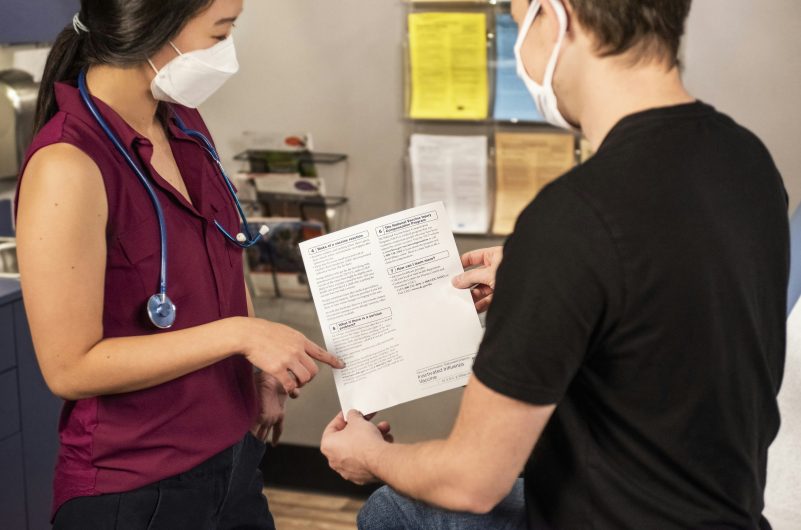
December strains hospitals, clinics, research institutions, pharma businesses, and public health organizations. These groups handle the flu season rush, end-of-year reporting requirements, vaccine drives, and Christmas personnel shortages. Patients need clear, accurate healthcare translation to share vital medical information across languages. International patients need clear instructions, and global teams must share clinical data accurately. This article helps December-busy healthcare leaders, medical administrators, and clinical communication teams develop multilingual processes.
Healthcare Translation Becomes Critical During the December Peaks
December brings more patients, viral activity, and communication urgency. For safety, compliance, and clear operations, healthcare translation is needed. Immunization supplies, triage instructions, and visiting guidelines are distributed by hospitals. Clinics discuss flu treatment, new drugs, and self-care. Annual reports, funding applications, and regulatory filings are written by research organizations. All documents must use straightforward language to avoid confusion during stressful times.
According to CSA Research, 76% of people would prefer to receive health information in their own language. This predilection is much more important in hospital settings. Miscommunication can delay treatment, lead to prescription errors, and result in missed visits. Thus, healthcare organizations must invest in reliable multilingual communication. Accurate translations improve patient safety, clinical efficiency, and clinician-community trust.
Healthcare Translation Requires Prepared Teams and Updated Language Assets
Before the number of patients increases, healthcare teams need to get ready with new language resources. Every department needs to work together to create multilingual content early, as December includes vaccination reminders, clinic notices, and year-end summaries. The staff must determine which items require translation and identify the languages commonly spoken in the area. This proactive strategy prevents rushed and potentially incorrect translations.
Teams should gather and update essential documents, including:
- Flu prevention guides
- Vaccination consent forms
- Medication instructions
- Hospital visitor rules
- Insurance verification documents
- Year-end clinical reports
- Training memos for seasonal staff
- Emergency response instructions
- Public health announcements
Additionally, organizations should use medical and healthcare translation services to review existing materials. Updated translations reduce patient confusion during stressful moments. Therefore, preparation keeps workflows running smoothly as patient volume grows quickly.
Healthcare Translation Improves Patient Materials for the Flu Season
The December flu season requires timely communication. Patients demand clear explanations of symptoms, prevention, and treatment. Therefore, healthcare translation must prioritize culturally appropriate language and exact medical terminology. Patients feel reassured when directives match their language and culture.
Hospitals distribute flu brochures, posters, and SMS messages in multiple languages. Clinics notify of appointments and provide dosing instructions. These documents must avoid ambiguous terminology. Medical terminology requires careful oversight, as imprecise language can be dangerous. Thus, healthcare workers should employ medical document translation services to provide precise instructions to varied patients.
Vaccination materials need careful translation. To ensure patients understand treatments, risks, and rewards, consent documents must be clear. Multilingual community participation boosts immunizations and reduces misinformation. Communities respond well to accurate translation during health crises.
Healthcare Translation Supports Year-End Clinical and Regulatory Reporting
Year-end reporting creates tremendous pressure for healthcare organizations. Research groups finalize results, pharmaceutical teams prepare regulatory submissions, and hospitals complete compliance documents. Therefore, healthcare translation becomes vital for accuracy and legal alignment. Regulatory agencies expect complete and precise information in the required languages.
These documents often include:
- Trial summaries
- Clinical results
- Safety data
- Adverse event reports
- Pharmaceutical labeling updates
- Internal audit findings
- Research manuscripts
- Cross-border collaboration packets
Errors can lead to compliance delays, rejected submissions, or costly corrections. Therefore, teams must use clinical trial translation services, pharmaceutical translation services, and medical document translation services to maintain accuracy. Proper translation protects research integrity and ensures smooth regulatory reviews.
Best Practices for December Workloads
Healthcare teams must use structured best practices to handle multilingual content during December. These methods improve quality, reduce errors, and support efficient communication across languages.
Healthcare Translation Needs a Centralized Language Repository
A centralized repository stores all multilingual documents, templates, glossaries, and guidelines. This system prevents teams from using outdated materials. Because December updates occur frequently, teams need quick access to accurate versions. A strong repository also simplifies collaboration between departments and translators.
Hospitals should organize documents by category and language. Moreover, they should use professional translation services to maintain unified phrasing across all materials. This approach protects clarity during emergencies.
Improves with Standardized Medical Terminology
Medical terminology must remain consistent. Therefore, healthcare teams should build glossaries that define approved translations for key terms. These glossaries prevent errors in drug names, procedures, and dosing instructions. Moreover, standardized phrasing improves patient understanding and staff communication.
Glossaries must evolve throughout the year. December updates often include new flu strains, revised treatment protocols, and updated medication guidelines. Therefore, terminology lists require frequent revisions.
Strengthens with Pre-Translated Templates
Templates reduce the time spent preparing seasonal messages during December. Clinics can prepare multilingual versions of vaccination reminders, flu treatment instructions, and appointment notices. When templates exist, staff respond quickly without creating new text during peak days.
Templates must follow safety guidelines and use approved terminology. Moreover, staff should review templates annually to ensure accuracy. Using patient information translation services improves readability and understanding for non-English speakers.
Improves Accuracy with Layered Review
Layered review strengthens translation accuracy. Healthcare teams should use translators, editors, and medical reviewers. This structure reduces errors and ensures clinical correctness. Because December materials include time-sensitive instructions, the speed of the review also matters.
Organizations can combine professional translation services and internal medical experts to verify final documents. This collaboration produces translations that are safe, clear, and culturally appropriate.
Works Best with Updated Cultural Guidelines
Cultural expectations vary greatly across patient groups. Therefore, translations must consider cultural norms, health beliefs, and communication styles. December health campaigns often focus on vaccination, respiratory illness prevention, and hygiene reminders. These topics require sensitivity in every language.
Healthcare teams should consult community groups and cultural specialists. This collaboration helps refine messages for diverse audiences. Cultural awareness improves acceptance and reduces misinformation during health crises.
Strengthen your healthcare translation workflow with eTranslation Services.
Improve accuracy, protect clinical quality, and support patients across languages this December.
Healthcare Translation Needs Strong Technology Support in December
Technology improves multilingual communication during peak healthcare periods. Integrated systems allow teams to manage documents, patient queries, and clinical data efficiently across languages.
Healthcare Translation Benefits From Translation Memory Tools
Translation memory tools store previously approved phrases and sentences. These tools increase consistency and reduce turnaround time. Because December requires frequent updates, translation memories save clinical teams valuable hours.
Moreover, translation memories support website localization services, business translation services, and internal document revisions. Updated memories reduce errors and improve clarity across all materials.
Healthcare Translation Gains Efficiency With Secure Document Platforms
Secure platforms protect patient information and maintain HIPAA and GDPR compliance. Healthcare teams must securely store multilingual documents, especially during peak communication periods. Therefore, encrypted systems become essential.
Secure platforms allow controlled access for translators and reviewers. This protects sensitive data while supporting collaborative workflows.
Healthcare Translation Improves Website and Portal Updates
Healthcare websites and patient portals require timely updates during December. Clinics must publish multilingual flu schedules, holiday hours, and emergency protocols. Therefore, teams must use website translation services to ensure accuracy and speed.
Patients rely on portals for appointment bookings, test results, and medication instructions. Clear language reduces confusion and improves patient experience.
Healthcare Translation Relies on Strong December Staffing Workflows
Patient volumes and documentation demands climb in December. Thus, staffing affects the success of healthcare translation workflows. Translators, editors, clinical reviewers, and administrative staff must work together to avoid bottlenecks. Managers should set clear duties to avoid vital documents sitting in limbo on peak days. Even with heavy flu admissions and reporting deadlines, staffing protocols ensure on-time translations. Thus, communication is accurate, and frontline clinicians have access to multilingual information to treat patients safely.
Healthcare Translation Needs Forecasting for Seasonal Demand
Forecasting helps teams predict which languages and specialties need extra attention in December. Thus, executives should examine previous flu seasons, vaccination efforts, and year-end reporting cycles by language and document type. They can estimate translation volumes for patient leaflets, consent forms, and regulatory summaries. Consider demographic changes, including expanding migrant populations and new referral patterns. Teams can arrange translators, reviewers, and coordinators before urgent requests with this information. Therefore, healthcare translation procedures minimize last-minute overload and preserve quality across all languages during seasonal peaks.
Healthcare Translation Benefits From Cross-Training Clinical Staff
Clinical staff assist communication while specialized translators translate complex materials through cross-training. Nurses and doctors can learn pre-translated scripts, multilingual discharge instructions, and standardized symptom checklists. They transmit crucial information fast, even while interpreters or translators address other important responsibilities. Cross-training helps workers identify situations that require complete healthcare translation review, such as lengthy consent forms or nuanced research summaries. Cooperation improves patient flow, decreases misunderstandings, and prevents language-related delays during busy December schedules.
Healthcare Translation Requires Rapid Response Protocols
During severe flu outbreaks or public health concerns in December, multilingual communication is essential. Thus, healthcare translation organizations must establish fast reaction methods. These processes should determine priority alert recipients, translator responses, and document review. Critical messages, including epidemic notices, emergency triage instructions, and urgent medication updates, should be predefined by teams. Staff follow protocol rather than improvise in a crisis. Even during stressful occasions, patients and clinicians receive reliable, timely information in their languages.
Strong Healthcare Translation Builds Safer Communities for December
December health campaigns influence community behavior. Clear multilingual communication helps families understand flu risks, vaccination benefits, and protective steps. Therefore, healthcare translation improves safety for diverse populations.
Patients trust providers who respect their language and cultural background. Moreover, accurate translation reduces anxiety during medical visits. Healthcare organizations strengthen community relationships when they communicate clearly across languages.
Strengthening Healthcare Communication for December and Beyond
In December, dependable, precise, and culturally sensitive communication is necessary. As a result, healthcare translation must be supported by experienced partners, up-to-date resources, and robust processes. Healthcare businesses can improve safety, patient experience, and operational clarity by investing in robust multilingual workflows. Trust is established, and communities are supported during their most vulnerable months through clear, translated communication.
Improve your healthcare translation processes today. Partner with eTranslation Services to deliver clear, accurate medical communication during December’s busiest healthcare season.
Frequently Asked Questions (FAQs)
Why is healthcare translation important during flu season?
Healthcare translation improves patient understanding. Clear multilingual materials support treatment decisions and reduce errors during high-volume periods.
Which documents require translation in December?
Flu guides, vaccination notices, and clinical updates need translation. Clear instructions help patients follow correct procedures safely.
Should hospitals update translated materials annually?
Yes, annual updates prevent outdated instructions. December flu strains and treatment guidelines often change.
Which tools help with healthcare translation?
Translation memories, glossaries, and secure platforms help teams manage multilingual content efficiently.
How does translation improve patient safety?
Accurate language translation reduces confusion. Patients understand treatments, doses, and instructions clearly.
How can clinics improve translation speed?
Clinics can prepare templates, glossaries, and workflows. These tools reduce delays during high-volume periods.
Should consent forms be translated?
Yes, consent forms require clear language. Patients must understand procedures before approval.
How does translation support regulatory reporting?
Accurate translation protects compliance. Clear documents support timely submissions.
What skills do translators need for medical content?
Translators need medical knowledge. They must understand terminology and safety standards.
How does healthcare translation support public health?
It improves communication. Communities receive accurate health information during seasonal risks.