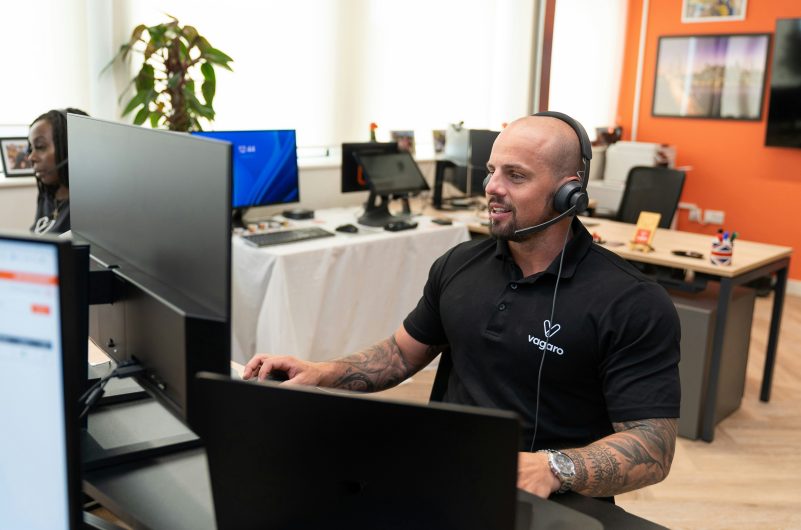
Customer support directors, contact center managers, CX operations teams, and escalation agents face the same pressure on live calls. You need answers now, even when the customer cannot use English. Over-the-phone interpreting (OPI) helps you keep the call moving, protect outcomes, and avoid repeat contacts.
Urgent calls usually disrupt schedules. Instead, they pile up during outages, billing cycles, travel disruptions, and healthcare intake peaks. Over-the-phone interpreting lets your team respond in real time, without waiting for an appointment.
Language gaps often hide inside routine tickets. A customer may explain a safety issue, a fraud concern, or a compliance request. OPI gives your agents the clarity they need before the call escalates.
Why Over-the-Phone Interpreting Fits Live Support
Phone-based interpretation suits customer support because it aligns with the channel and pace. Your agent already works on voice queues, so the workflow stays familiar. eTranslation Services positions over-the-phone interpretation as a fit for short conversations, customer support, and emergencies.
You also gain flexibility across time zones. A global customer base calls outside business hours, especially for travel, payments, and logistics. Over-the-phone interpreting supports immediate language access when the issue cannot wait.
OPI also reduces handoffs. Agents avoid transferring customers between bilingual staff, which often increases hold times. Instead, the agent keeps ownership and uses the interpreter as a live bridge.
Over-the-Phone Interpreting Versus Video and On-Site
Support teams prioritize speed and coverage over urgent calls. Video interpretation works well for visual cues and sign language support. For scheduled events and intricate meetings, on-site interpreting is a viable option.
OPI works best when the customer is already on a call. It also works well when the case needs quick clarification. Teams often use it for verification steps, troubleshooting, and short escalations.
Over-the-Phone Interpreting Setup That Prevents Chaos
You need a simple setup that agents can follow under pressure. You also need rules that remove uncertainty during escalations. A good setup covers access, routing, scripts, and quality expectations.
Start with a short internal playbook. Keep the instructions visible inside your agent desktop. Then run short drills during onboarding and refreshers.
Use consistent labels for language needs. Inquire about the preferred language at the earliest opportunity and confirm understanding. Also, log language selection in the CRM for future contacts.
Build a Fast Connect Script
Agents need one script that works across issues. The script should set expectations and protect pace. It should also reduce the temptation to speak to the interpreter instead.
Agents can use a structure like this. First, greet the customer and confirm the preferred language. Next, inform the customer that you will be connecting an interpreter. Then speak directly to the customer, not the interpreter.
Agents should also use short phrases. They should pause often and avoid slang. They should also avoid multi-part questions, especially during verification steps.
Route Calls with Language and Skill Tags
You can route based on language and call type. You can also tag calls by domain, such as billing, healthcare, or claims. Then you can match the interpreter’s experience to the call’s needs.
Some calls need higher domain comfort. A benefits call needs different terminology than a retail return. You can prepare for that by using skill tags in the intake flow.
You can also support compliance needs with targeted workflows. For example, you can use HIPAA-compliant phone interpreter workflows when healthcare teams handle patient conversations.
Over-the-Phone Interpreting for High-Risk Customer Moments
Many support teams treat language support as a general service. High-risk calls require tighter handling and clearer guardrails. These calls often involve identity, money movement, safety, or regulated data.
You can define a short list of high-risk triggers. Then you can prompt agents to connect an interpreter faster. You can also require tighter note-taking and supervisor visibility.
Over-the-Phone Interpreting for Banking and Identity Checks
Financial support calls often require exact wording. Agents confirm names, addresses, dates, and transaction details. Over-the-phone interpreting helps the customer understand each step clearly.
Agents should use one question per turn during verification. They should confirm spelling and numerals. They should also read back details before submitting changes.
Teams can also reduce disputes by clearly documenting consent. Agents are encouraged to verify the customer’s intent and promptly document it. That practice protects the customer and the institution.
Over-the-Phone Interpreting for Healthcare Intake
Healthcare calls often involve symptoms, medications, and urgent instructions. Over-the-phone interpreting supports rapid clarity during intake and triage. eTranslation Services describes an over-the-phone interpretation system that connects quickly and offers 24/7 availability.
Support teams should keep language simple and direct. They should avoid idioms and vague reassurance. They should confirm understanding, then repeat critical instructions.
Teams should also prepare short terminology packs. Include medication categories, appointment steps, and insurance terms. Then agents can keep the call steady.
Over-the-Phone Interpreting for Insurance and Claims
Claims calls often involve timelines, documentation, and sensitive stress. Over-the-phone interpreting helps customers clearly explain events. It also helps agents explain required steps without confusion.
Agents should summarize the claim in plain language. They should confirm dates and locations. They should also clearly list the next actions and deadlines.
Quality Controls for Over-the-Phone Interpreting
Quality control keeps OPI consistent across teams and shifts. It also reduces variability between agents. Good QA focuses on clarity, completeness, and respectful tone.
You can create a short rubric for supervisors. Keep it practical and easy to score. Then review a small sample of interpreted calls weekly.
You can also watch for repeat-contact patterns. When language issues cause repeat calls, QA will reveal it. Then you can adjust scripts and routing rules.
Terminology Packs That Agents Actually Use
Agents will not read long glossaries during a call. They will use quick cheat sheets. Build short packs by call type, with common terms and clarifications.
Keep each pack to one screen. Include spelling tips for key terms. Also include guidance for numbers, dates, and addresses.
Update packs based on real tickets. Add new terms after product releases and policy changes. Remove terms that agents never use.
Call Reviews and Coaching That Improve Consistency
Coaching works best when it stays specific. Supervisors should highlight one improvement per call review. They should also praise good pacing and respectful phrasing.
You can also run peer listening sessions. Agents learn faster when they hear strong examples. Those sessions also normalize interpreter use.
Best Practices for Over-the-Phone Interpreting in Support Queues
You can treat these practices as repeatable habits. You can also track outcomes to prove value. Small improvements add up across thousands of calls.
- Add language selection to the first 20 seconds of the call. Train agents to ask questions clearly and confirm their understanding. Then connect the interpreter immediately when needed. Track interpreter connection time and abandonment rate. Aim to reduce long holds during language connections. Faster connections usually reduce angry escalations.
- Keep OPI turns short. Agents should ask one question at a time. They should pause after each response. Short turns reduce errors and customer frustration. Track average handling time by issue type, not only by language. You may see a small increase in AHT. You should also see fewer repeats.
- Use OPI notes to reduce rework. Agents should write short, structured notes during the call. They should record customer intent, next steps, and key numbers. Clear notes prevent second agents from guessing. Use templates inside the CRM. Include fields for preferred language and interpreter IDs when available. Consistent notes also support compliance teams.
- Train escalations on OPI. Escalation agents handle complex emotions and higher stakes. They should learn de-escalation phrases that translate cleanly. They should also learn when to slow down. Run role-play drills with realistic scenarios. Include frustrated, confused, and distressed customers. Practice builds calm performance under pressure.
- Audit OPI to ensure respect and clarity. Quality includes accuracy and tone. Agents should keep respect in every phrase. They should avoid jokes, sarcasm, and judgmental language. Review a weekly sample of interpreted calls. Score clarity, pacing, and empathy. Then, coach with short, concrete feedback.
Tools That Support Over-the-Phone Interpreting at Scale
Technology will not replace workflow design, yet it can reduce friction. The right tools remove manual steps and reduce errors. Tools also help supervisors track performance.
Most support teams already use a contact center platform. Many teams use solutions like Genesys Cloud, NICE CXone, Five9, Twilio Flex, or Amazon Connect. These platforms can support scripts, routing, and reporting.
Teams also use CRMs and ticketing systems. Zendesk, Salesforce Service Cloud, and Freshdesk often store customer language preferences. Then agents can prepare before answering.
Integrations That Keep Agents Focused
Agents lose time when they open many tabs. Integrations keep language support inside the agent desktop. They also reduce wrong-number calls and repeated confirmations.
You can embed interpreter access links inside your call tools. You can also add language prompts to disposition codes. Those steps support reporting without extra work.
Security and Compliance Basics
Some calls involve regulated information. Teams should follow policies for recording, storage, and access. Teams should also train agents to use privacy-friendly phrasing.
If your workflows require domain handling, you can align interpreter selection accordingly. For example, you can use over-the-phone interpreting for insurance claims queues with claim terminology packs.
Metrics That Show the Program Works
You should track a small set of useful metrics. You should avoid vanity reporting that hides real problems. Metrics should help agents and supervisors improve.
Track interpreter connect time, transfer rate, and abandonment rate. Furthermore, track repeat calls for the same issue within seven days. Track QA scores on clarity and note quality.
You can also track first-call resolution by language. Compare outcomes across issue types. Then tune scripts and routing rules.
What to Track Beyond Average Handle Time
Average handle time can mislead. AHT can rise slightly when clarity improves. Meanwhile, repeat calls and escalations often fall.
Track the full journey, whether customers call back, whether supervisors receive fewer complaints, and whether agents close tickets faster after the call.
A Simple Rollout Plan for Over-the-Phone Interpreting
You can launch quickly when you keep the scope tight. You can then expand once the basics work. A staged rollout protects quality and reduces confusion.
- Week One: Build the Core Workflow
Define the languages you see most often. Write the connect script and note template. Train a pilot group and run role-plays. Set up reporting fields for languages and issue types. Create terminology packs for your top three call categories. Then run a soft launch on one queue. - Week Two: Expand and Stabilize
Expand to more queues after the pilot works. Add escalation training and QA sampling. Then refine scripts based on real calls. Hold a short weekly review meeting. Look at connect time, transfers, and repeats. Select one improvement and implement it.
Keep Urgent Support Calls Moving
Over-the-phone interpreting helps support teams respond without delay when language barriers appear mid-call. Strong scripts, routing rules, and QA habits protect clarity and customer trust. When you want a practical OPI setup, contact eTranslation Services and request a workflow plan tailored to your queues.
Frequently Asked Questions (FAQs)
What types of customer support calls benefit most from OPI?
Calls with urgency, confusion, or compliance needs benefit most. Billing, logistics, healthcare intake, and claims often qualify.
How fast can an agent connect to an interpreter during a live call?
Connect times vary by language and provider capacity. Teams improve speed with scripts, routing rules, and clear language selection.
Can OPI support rare languages?
Many providers support standard and rare languages. You should confirm coverage for your customer base and peak call times.
Should agents speak to the interpreter or to the customer?
Agents should speak directly to the customer. This habit keeps the tone respectful and reduces confusion during turn-taking.
How do you keep OPI accurate for technical products?
Teams should create short terminology packs and update them often. Agents should also keep turns short and confirm numbers.
Can OPI work for quality assurance and recorded calls?
It can work when policies allow recording. Teams should align recording rules, storage controls, and consent language.
What training do agents need before using OPI?
Agents need a short script, role-play drills, and note templates. Supervisors should also coach pacing and respectful phrasing.
How do you measure success beyond the average handling time?
Track repeat calls, transfers, escalations, and QA clarity scores. These metrics often show stronger gains than AHT alone.
Can OPI support compliance-heavy industries?
It can support regulated calls when teams follow policies and routing rules. Some queues may require certified domain experience.
How do you choose between on-demand and scheduled telephone interpreting?
Use on-demand for unpredictable call volume and urgent issues. Use scheduled support for planned sessions and repeated appointments.