
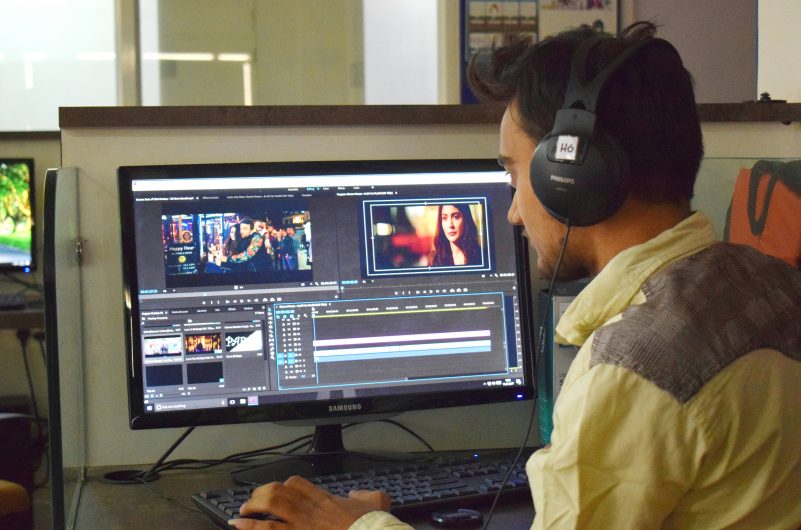
In 2026, HR, L&D, compliance, operations, and internal communications need better video translation. Onboarding, policy training, safety materials, and internal improvements are controlled by distributed teams. Many publish English-first videos, expecting followers. That strategy decreases learning, cooperation, and clarity. eTranslation Services ensures brand-appropriate interpretation, transcription, localization, and multimedia for enterprises.
Teams in various locations receive internal training: remote, hybrid, frontline, and new hire. Therefore, firms need multilingual, multiformat content. Video translation helps employees understand policies, tools, safety standards, and role requirements in their preferred language. Homogeneity among the office, vendor, and business unit is promoted. LinkedIn’s 2025 Workplace Learning Report says managers, employees, and talent teams face time and resource constraints. Pressure makes scaled learning useful.
Most companies can subtitle marketing videos. Internal training needs a standard. We need accurate, repeatable, legal, role-specific training. Compliance modules, onboarding courses, and product training videos must be clear under pressure. An internal video translation strategy, methodology, and review process are needed.
Why Video Translation Matters More for Internal Training in 2026
Internal content carries business consequences. A missed safety step can lead to risk. A misunderstood onboarding video can delay productivity. A vague ethics module can create audit problems later. Therefore, video translation affects much more than comprehension.
Distributed work also intensifies the risks. Teams no longer learn in one room, on one schedule, or in one language. They watch training on laptops, tablets, and phones. They also replay modules in noisy settings, shared spaces, and tight time windows. As a result, training teams need translated video content that supports clarity, speed, and retention.
This need also connects with accessibility. The World Wide Web Consortium states that captions are required for prerecorded synchronized media under WCAG Level A. That matters for internal portals, learning platforms, and compliance libraries that rely heavily on video.
Where Video Translation Fits in the Internal Training Stack
Companies often think about video translation only after production. That creates rework. Instead, teams should treat translation as part of the training stack from the start.
Internal teams usually need video translation in these areas:
- New hire onboarding
- Compliance and ethics training
- Health and safety modules
- Product and systems training
- Manager training
- Internal process updates
- Customer support training
- Technical certification content
- Leadership communications
- Policy refreshers
Each use case carries different risks. Onboarding videos must build confidence quickly. Compliance videos must preserve legal meaning. Technical videos must protect terminology. Therefore, one workflow rarely fits all content types.
Video Translation for Onboarding Needs More Than Subtitles
Onboarding sets the tone for the employee experience. It also shapes how quickly a new hire becomes productive. If the first week feels confusing, that confusion can carry into performance, confidence, and retention.
That is why video translation for employee onboarding should go beyond subtitles alone. Teams should review narration, onscreen text, quizzes, supporting PDFs, and LMS labels. They also should localize examples, role titles, and cultural references when needed. A translated welcome module loses value if the follow-up tasks remain unclear.
Onboarding content also changes often. Product names shift. Policy links move. Department structures change. Therefore, training teams need workflows that support fast updates. One reason video-first programs struggle is the friction of updates. Teams may delay fixes because editing voice-over, captions, and graphics feels too heavy.
Real-world case studies show why speed matters. Synthesia reports that JELD-WEN increased training output and learning engagement eightfold and updated videos in 30 minutes instead of a full day.
Video Translation for Compliance Programs Must Protect Meaning
Compliance content cannot afford loose phrasing. Policies on conduct, privacy, safety, reporting, and data handling depend on precise meaning. Therefore, video translation for compliance training must preserve intent, terminology, and audit-readiness.
This work starts with source quality. If the original script uses vague language, translation quality will suffer. Teams should simplify the source, lock key terms, and approve legal wording early. Then they should translate scripts, captions, quiz items, handouts, and voice-over lines together. That keeps the learning path consistent.
Compliance teams also need traceability. They should document which version launched, which languages went live, and when each review happened. That record helps during audits, policy refreshes, and incident reviews. It also prevents version drift across countries.
Video Translation for Training Content Works Best with the Right Format
Not every training video needs the same localization approach. Teams should choose the format that best aligns with the goal, timeline, and budget.
Common video translation services for corporate training include:
- Subtitles for fast multilingual rollout
- Full voice-over for stronger immersion
- Dubbing for polished internal video libraries
- Script translation for instructor-led sessions
- Transcription for searchability and reuse
- Multilingual onscreen text replacement
- Localized assessments and job aids
Subtitles work well when the speaker remains visible and the pace stays manageable. Voice-over works well when teams want a lower reading load. Dubbing may suit flagship onboarding or executive communications. Meanwhile, transcription supports reuse across guides, knowledge bases, and policy records. eTranslation Services also highlights both multimedia localization and transcription support, making this mix especially relevant to its service range.
Video Translation and Voice-Over Need Strong Script Control
Voice-over projects move faster when teams finalize scripts early. They also move better when teams avoid last-minute edits to timing and graphics. Therefore, script lock is one of the most practical controls in multilingual training production.
For multilingual voice-over for training videos, teams should review pronunciation guides, acronyms, speaker tone, and pacing. Technical training needs extra attention here. A rushed read can hurt comprehension more than a plain subtitle file.
Video Translation and Subtitles Need Accessibility Review
Subtitles support more than translation. They also support accessibility, flexible viewing, and silent playback. W3C states that captions for prerecorded content are required at WCAG Level A. For subtitle translation for internal training videos, teams should review timing, line length, reading speed, and speaker identification. A subtitle can be correct yet still fail in practice if it moves too fast.
Five Best Practices for Video Translation in Internal Learning
The strongest teams use repeatable systems. They do not treat every training launch as a custom emergency. Start with these five best practices.
- Create source scripts for every video.
A clean script speeds translation, voice-over, subtitles, and legal review. It also reduces errors during later updates. - Localize the full learning package.
Translate captions, quizzes, transcripts, slides, handouts, and LMS labels together. This approach keeps the learner journey aligned. - Build and maintain a termbase.
Approved terminology protects consistency across onboarding, compliance, and technical modules. It also shortens future review cycles. - Choose a format by use case.
Use subtitles for speed, voice-over for immersion, and dubbing for polished flagship programs. Match the format for risk and reach. - Measure performance after launch.
Track completion rates, repeat views, failed assessments, and support tickets by language. Then refine the next release.
These practices produce practical results. Synthesia reports that Evonik creates training videos in multiple languages 80 percent faster. It also reports that TTEC cut video production time by 70% while creating training videos in 4 languages. Synthesia Case Studies.
Need faster video translation for onboarding, compliance, or technical training?
eTranslation Services can help you scale multilingual learning with less rework.
Video Translation Technology Should Support Speed, Not Chaos
Technology matters, but workflow matters more. Teams often buy platforms before they fix the process. Then they struggle with version control, fragmented reviews, and inconsistent exports.
A practical video translation stack may include:
- A script repository
- A termbase or glossary
- Caption editing tools
- Translation memory support
- Voice-over recording tools
- An LMS or LXP
- Review checklists
- Secure file versioning
- Analytics dashboards
These tools add authority when they work together. Learning teams should also connect video assets with transcription and localization workflows. eTranslation Services already positions localization as more than direct translation, with attention to cultural adaptation, design adjustments, QA, and compliance. That same logic applies to internal video content.
Video Translation for Training Content Needs Better QA Than Marketing Videos
Marketing teams can sometimes accept stylistic variation. Internal training teams usually cannot. If a product tutorial changes one step, users may fail the task. If a compliance video softens one warning, risk may rise. Therefore, video translation QA for training content needs stricter checks.
A strong QA process should review:
- Terminology consistency
- Subtitle timing
- Voice-over sync
- Slide-text accuracy
- Audio clarity
- Cultural appropriateness
- Screen capture relevance
- Quiz and assessment accuracy
- Link and button language
- Version numbers and dates
This process should also include subject matter review. Training teams know the learner journey. Legal teams know the policy language. Operations teams know the process details. Linguists then make that meaning work in the target language.
Video Translation and Internal Compliance Need Version Discipline
Training libraries age quickly. Policy update. Systems change. Screenshots break. Therefore, video translation needs a version plan before launch.
Teams should assign content owners, review cycles, and retirement rules. They should also separate evergreen modules from fast-changing modules. A stable code-of-conduct video may need a light annual review. A systems training clip may need to be updated monthly. This distinction helps teams budget effort wisely.
Version discipline also supports scale. Synthesia reports that Fiery trains 50,000 learners in eight languages and reduced video update time by 87 percent. It also reports that UserZoom reduced video narration time from one hour to 10 minutes. Synthesia Case Studies. (Synthesia)
Video Translation for Technical and Safety Training Demands Extra Care
Technical and safety content carries higher stakes. A mistranslated machine instruction, chemical note, or systems step can cause real harm. Therefore, video translation for safety training and technical training needs a specialist review.
Teams should validate commands, warning language, interface labels, and measurement units. They should also review whether the video still matches the local equipment or software version. A perfect translation still fails if the learner sees the wrong screen.
This care also matters in manufacturing, healthcare, logistics, and IT. These industries often support distributed teams with high-consequence tasks. That makes training clarity a business issue, not a cosmetic issue.
Common Mistakes That Weaken Video Translation Projects
Organizations often make the same mistakes. Teams often start translation after editing. They skip transcript creation, ignore glossary work, and localize subtitles while leaving quizzes in English.
Another common mistake involves weak ownership. Nobody owns the script, the language review, or the final upload. As a result, small errors spread through the learning path.
Some teams also confuse speed with efficiency. They rush a multilingual rollout, then absorb the cost later through questions, failed modules, and repeated refreshes. A better process usually saves more time overall.
What Buyers Should Ask Before Booking Video Translation
Training buyers can avoid major problems with a short planning checklist.
Ask these questions first:
- Who is the learner, and what language do they work in?
- Is the video for onboarding, compliance, or technical instruction?
- Do we need subtitles, voice-over, dubbing, or all three?
- Has legal approved the source script?
- Do we already have a glossary and transcript?
- Which files will change after translation?
- What platform will host the final content?
- How will we measure success by language?
These questions improve scoping. They also help vendors recommend the right workflow instead of guessing from a rough brief.
Building Training That Travels Across Languages
The best internal training programs scale because they plan for language from the start. They create clear scripts, protect terminology, localize the whole learning path, and measure outcomes after launch. That is how video translation becomes part of operations, not a rushed fix after editing.
If your team needs stronger onboarding, clearer compliance content, or more scalable multilingual learning, now is the right time to tighten the workflow. eTranslation Services can support video translation with the language quality, content coordination, and production discipline that global teams need.
Ready to improve video translation across onboarding, internal training, and compliance programs?
Contact eTranslation Services to build multilingual learning that employees can actually use.
Frequently Asked Questions (FAQs)
What teams benefit most from video translation?
HR, L&D, compliance, operations, and internal communications teams benefit first. They manage content that employees must understand clearly.
Should we subtitle or dub onboarding videos?
Choose subtitles for faster rollout and lower cost. Choosing dubbing or voice-over when reading aloud may reduce comprehension.
Does video translation include a quiz and LMC text?
It should. Learners need a complete experience in one language. Partial localization often creates confusion.
How does video translation help compliance teams?
It protects policy meaning across languages and regions. It also supports more consistent training records and learner understanding.
What industries need video translation most?
Manufacturing, healthcare, technology, logistics, retail, and finance often need it most. These sectors train large, distributed teams regularly.
Can small companies use video translation too?
Yes. Smaller teams often gain speed from clean subtitles, transcripts, and multilingual onboarding modules. They do not need huge libraries first.
What files should we prepare before a project?
Prepare the source video, final script, glossary, brand terms, and any slides. Also include quizzes and supporting job aids.
How fast can a video translation project move?
Timing depends on video length, languages, and format. Subtitle projects often move faster than voice-over or dubbing projects.
Does video translation support accessibility?
Yes. Captions support Deaf and hard-of-hearing users can help viewers in muted settings. W3C guidance supports this requirement.
How do we measure video translation success?
Track completion rates, rewatch behavior, assessment scores, and support tickets by language. Then compare those results over time.

