Legal documents leave little room for error. Whether a business is expanding into new markets, handling international contracts, filing patents, or navigating cross-border litigation, even a minor translation mistake can lead to costly misunderstandings. That is why choosing the right legal translation services provider is a decision that deserves careful attention rather than a quick price comparison.
Many organizations have learned this lesson after experiencing delays, rejected legal filings, compliance issues, or damaged business relationships caused by poor translations. Understanding the most common hiring mistakes helps businesses avoid unnecessary risks while ensuring every document meets legal and linguistic standards.
What Are Legal Translation Services?
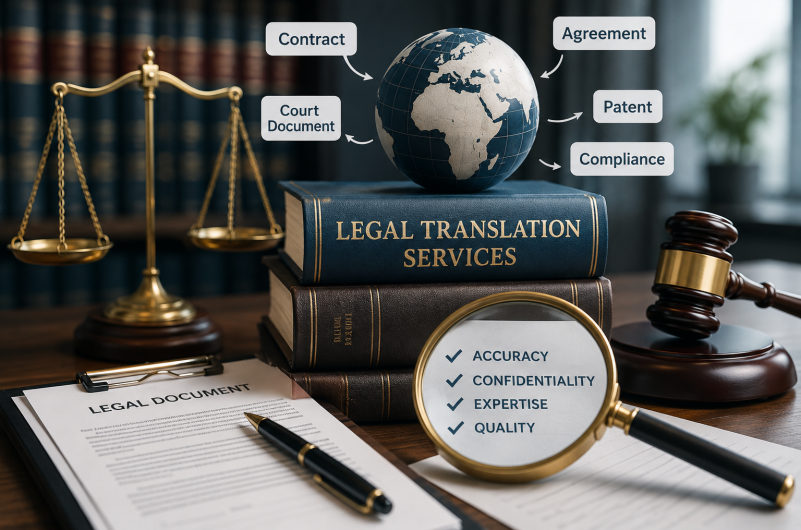
Legal Translation Services involve the accurate translation of legal documents while preserving their original meaning, intent, and legal validity. Unlike general translation, legal translation requires extensive knowledge of legal terminology, jurisdiction-specific language, formatting requirements, and confidentiality practices.
Professional providers typically handle documents such as:
- Contracts and agreements
- Court documents
- Immigration paperwork
- Patents and intellectual property filings
- Corporate legal documents
- Compliance documentation
- Employment contracts
- Terms and conditions
Each document must reflect both linguistic accuracy and legal precision to avoid unintended consequences.
Why Businesses Need Professional Legal Translation Services
Global business has become increasingly interconnected. Companies regularly negotiate with international partners, hire overseas employees, register trademarks abroad, and comply with foreign regulations.
As organizations have expanded into international markets, the demand for professional legal translation has continued to grow. A poorly translated contract may create conflicting interpretations, while an inaccurate compliance document could result in regulatory penalties.
Professional service providers help businesses reduce these risks by delivering translations that meet quality standards and industry-specific requirements.
Common Challenges Businesses Face
Legal translation presents challenges that go far beyond converting words from one language to another.
Different Legal Systems
Every country operates under its own legal framework. A term commonly used in one jurisdiction may have no direct equivalent elsewhere. Experienced translators understand these differences and choose language that preserves legal intent.
Specialized Terminology
Legal documents frequently contain technical expressions, industry-specific vocabulary, and complex clauses. General translators may misunderstand these terms, creating inaccuracies that affect the entire document.
Confidentiality Concerns
Legal documents often contain sensitive business information. Organizations need secure processes that protect confidential data throughout the translation process.
Tight Deadlines
Businesses have often been working under strict legal deadlines. Rushing the project without proper quality control increases the likelihood of costly errors.
How Professional Service Providers Solve These Problems
Reliable Legal Translation Services providers combine legal knowledge with linguistic expertise. Their process usually includes multiple quality checks, terminology management, proofreading, and independent reviews before delivery.
Many providers have developed specialized workflows for different industries, ensuring consistency across contracts, compliance documents, and legal correspondence.
Instead of relying on a single translator, experienced agencies frequently involve editors and quality assurance specialists who verify accuracy before final approval.
Key Benefits of Hiring Qualified Professionals
Working with an experienced service provider offers several long-term advantages.
Improved Accuracy
Legal meaning remains consistent across languages, reducing the risk of disputes or misunderstandings.
Better Compliance
Professional translators understand documentation requirements for different jurisdictions, helping businesses meet regulatory expectations.
Reduced Business Risk
Accurate translations minimize legal exposure, contract disputes, and financial losses caused by incorrect wording.
Consistent Brand Reputation
Well-translated legal documents demonstrate professionalism and build confidence among clients, investors, and business partners.
Industry Applications
Professional legal translation supports organizations across numerous industries.
Financial institutions rely on accurate translations for regulatory compliance and international agreements. Healthcare organizations require legally compliant consent forms and regulatory documents. Manufacturing companies translate supplier contracts and international trade documentation. Technology firms regularly translate software licensing agreements, patents, and privacy policies.
Regardless of the industry, precision remains essential because legal documents directly influence business decisions.
Best Practices When Selecting a Provider
Choosing a translation partner involves more than reviewing pricing.
Look for providers with proven legal expertise, experienced linguists, established quality assurance procedures, and secure document handling practices.
It is also helpful to ask about certifications, review processes, confidentiality agreements, turnaround times, and experience with similar legal documents.
An established provider should be transparent about its workflow and willing to explain how quality is maintained throughout the project.
Top Mistakes to Avoid When Hiring Professional Legal Translation Services
Choosing Based Only on Price
Cost matters, but the cheapest option often becomes the most expensive if translation errors create legal complications later.
A slightly higher investment in quality translation frequently saves businesses significant legal costs over time.
Hiring General Translators Instead of Legal Specialists
Legal language requires specialized knowledge. A translator who excels in marketing or technical content may not fully understand legal terminology or jurisdiction-specific requirements.
Always verify that translators have experience handling legal documentation.
Ignoring Quality Assurance Processes
Some providers rely on a single translator without additional editing or proofreading.
Professional legal translation services should include multiple review stages to identify inconsistencies, formatting issues, and terminology errors before delivery.
Overlooking Confidentiality Measures
Legal documents often contain contracts, financial information, or intellectual property.
Before hiring a provider, confirm that secure file transfers, confidentiality agreements, and data protection policies are in place.
Failing to Check Industry Experience
Every industry uses unique legal terminology. A provider familiar with corporate law may not have sufficient experience with pharmaceutical regulations or intellectual property law.
Choosing industry-specific solutions improves both accuracy and efficiency.
Not Asking About Native-Language Review
Professional legal translations benefit from review by native-language legal linguists who understand both the source and target legal systems.
This additional step significantly improves readability and legal accuracy.
Expecting Machine Translation to Replace Human Expertise
Translation technology has improved considerably, but legal documents still require expert human review.
Automated systems may overlook context, legal nuances, and jurisdiction-specific terminology that experienced professionals recognize immediately.
Why Choosing the Right Provider Matters
The right translation partner becomes an extension of a business’s legal and compliance team. Accurate translations support international growth, strengthen contractual relationships, and reduce operational risks.
Businesses that had invested in experienced providers have generally encountered fewer legal complications than those that prioritized speed or low pricing alone.
A trusted provider also creates long-term value by maintaining terminology consistency across future projects, improving efficiency as business operations expand.
Selecting legal translation services should never be treated as a routine purchasing decision. Legal documents demand exceptional accuracy, confidentiality, subject-matter expertise, and rigorous quality control. Avoiding common hiring mistakes allows businesses to protect their legal interests, maintain regulatory compliance, and communicate confidently across international markets.
If your organization requires reliable legal translations, partner with experienced professionals who understand both language and law. Request a personalized quote today to discover how expert legal translation solutions can protect your business, support global growth, and deliver the precision your most important documents deserve.